What a short season means in Igiak
Most sockeye move through Bristol Bay in a few weeks in summer. Work in Igiak follows those weeks.
Notes from the season in Igiak.
Most sockeye move through Bristol Bay in a few weeks in summer. Work in Igiak follows those weeks.
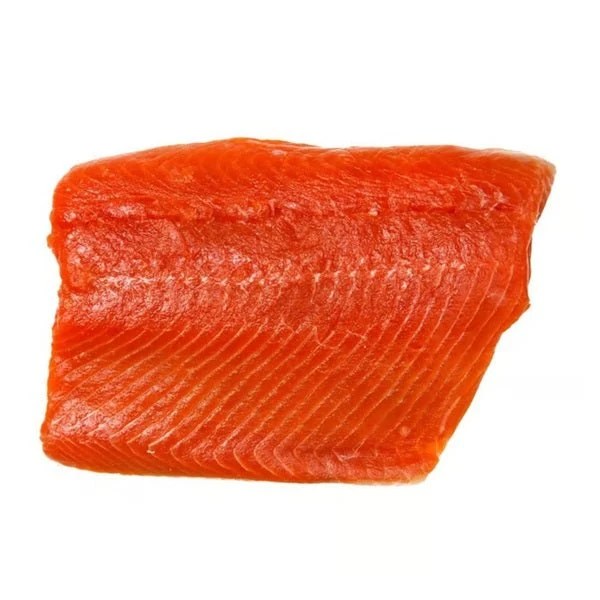
Sockeye eat krill. Sockeye eat zooplankton. Pigment from that food stays in the flesh. The flesh turns deep red.
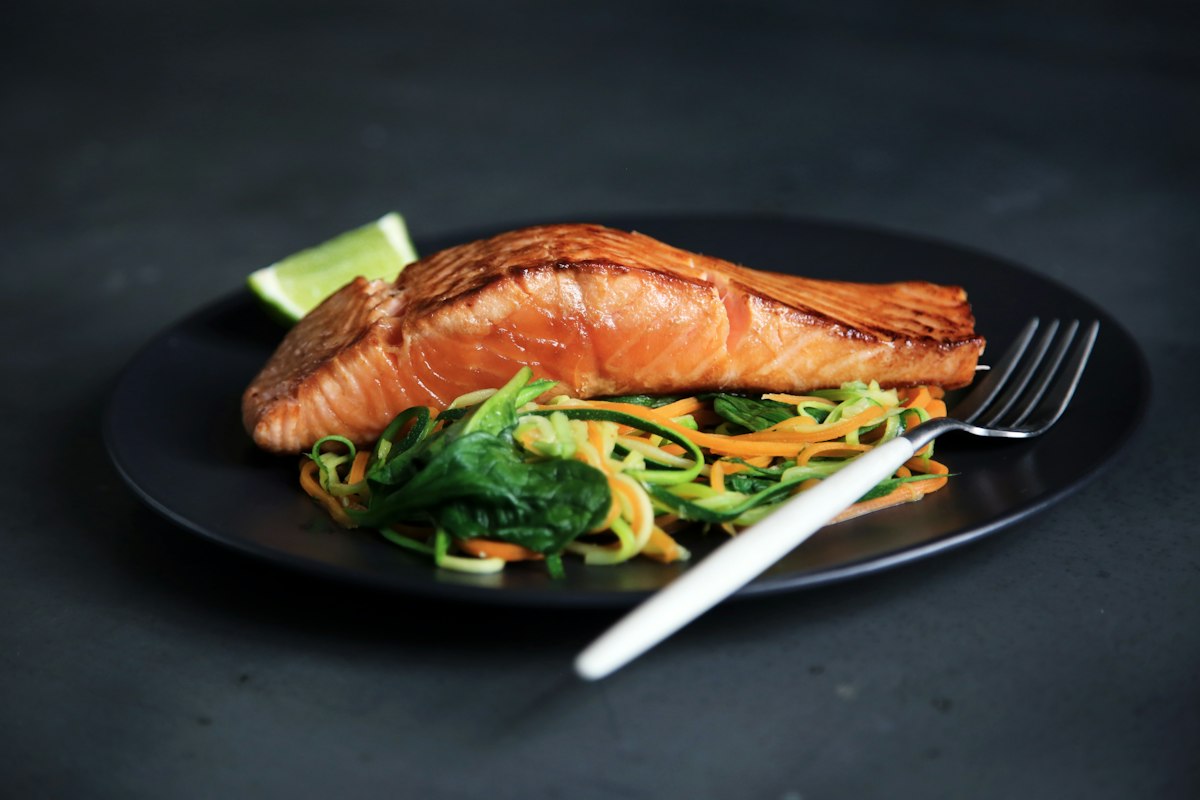
Boone flash freezes sockeye soon after harvest. Boxes stay frozen until August 2027 shipping.
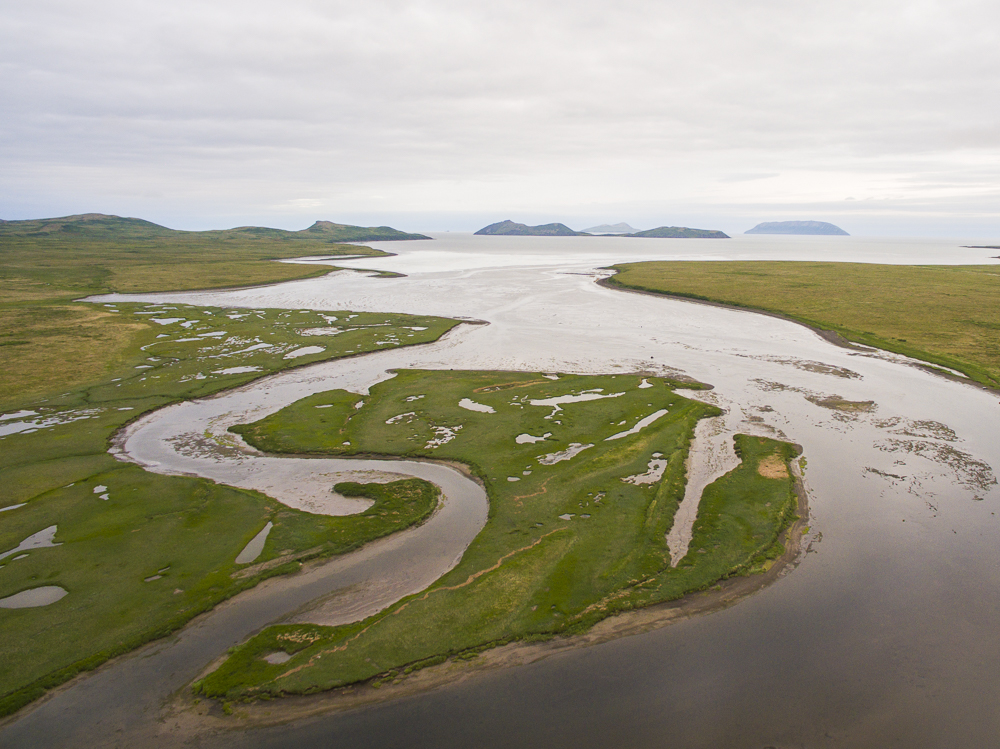
Igiak is a fishing village in Bristol Bay, in southwest Alaska. The year there turns on a few summer weeks. Sockeye come back to the bay in summer. Most of the run moves through in a short window.
The fish come back to spawn. Adults return from the ocean. They head for the rivers and lakes behind the bay. Each fish seeks the water it came from.
The run sets the work. Boats fish when the fish are moving. Alaska counts the fish that pass the fishing grounds. That count is escapement. Fishing is held until enough fish pass.
That order protects the next run. Spawning fish go upriver first. The harvest comes after. A season that skips that order would eat its own future.
Joseph Montecuco fishes out of Igiak. Boone takes orders through June 2027 for that summer season. The orders wait for the run. The run does not wait for the orders.
The catch is flash frozen soon after harvest. Freezing starts close to the water. The fish hold at frozen from that point. Boxes ship in August 2027, after the season ends.
A short season means one shipment. Boone packs the summer catch once. Door orders go out in August. Spokane pickup waits in August. A household that wants this fish orders before the end of June 2027.
Sockeye flesh is deep red. The color is in the meat, top to bottom of a fillet. It stays red on the plate after cooking.
The diet explains the color. Sockeye eat krill. Sockeye eat zooplankton. Krill carry a red pigment in their shells and bodies. The fish take in that pigment as they feed.
The pigment builds over time. A sockeye feeds in cold ocean water for years before it returns. Each season of feeding adds color to the flesh. The fish that comes back to Bristol Bay carries the full color.
Cold water shapes the rest of the fish. Bristol Bay sockeye cut firm. The flesh holds together on a knife. It flakes in big pieces in a pan.
The color also tells a buyer what the fish ate. Pale flesh points to a different diet. Deep red flesh points to krill and cold water. Boone sells only Bristol Bay sockeye, so the color on the shop page photos is the color in the box.
Salt is enough seasoning for a first fillet. The flavor comes with the fish. Cook a fillet skin down. Taste the fish plain once. Add sauces on the second box.
Boone flash freezes sockeye soon after harvest. The phrase carries the whole handling story. Fish come out of Bristol Bay water in summer. Freezing follows the catch by a short gap.
Flash freezing drops the temperature fast. Fast freezing keeps ice crystals small inside the flesh. Small crystals do less damage to the meat. The texture stays firm when the fish thaws months later.
Slow freezing does the opposite. Big crystals grow. The crystals tear the flesh. A thawed fillet weeps water and cooks soft. The speed of the first freeze decides much of the eating quality.
Vacuum sealing comes after freezing. The seal pulls air off the fish. Air dries frozen surfaces over time. A sealed pack stores clean for the months between the season and a winter dinner.
The sealed catch stays frozen after the season ends. Boxes ship in August 2027. The packs land at homes still frozen hard. A freezer at home takes over from there.
Thaw with the seal on. Move a pack to the fridge the night before you cook. The fish thaws slow and cold. Cook it the next day. The fillet that lands in the pan started as a fish in Igiak water the summer before.
A Bristol Bay sockeye lives two timelines. The first timeline is wild. The fish grows in fresh water, feeds in the ocean, and returns to the bay in summer.
The second timeline is a freezer timeline. The catch is flash frozen soon after harvest in summer 2027. Boxes ship in August 2027. Home freezers take the packs from there.
A fillet cooked in November came out of the water in July. The freeze carries it across those months. Vacuum sealing guards the surface during the wait. Cold does the rest.
That gap is why ordering runs ahead of the season. Orders close at the end of June 2027. The fish are caught after that. A household eats the catch across the fall and into winter.
Portions suit that long timeline. One pack thaws for one meal. The rest of the box stays frozen. A 10 lb box can cover salmon dinners from September to spring at a meal a week.
Smoked sockeye bridges the gap in another way. It needs no cooking. A thawed pack goes straight to a board. It serves a household on a night when the stove stays off.
The season itself lasts weeks. The eating lasts months. That trade sits at the center of Boone's calendar. One short summer in Igiak stocks freezers for the rest of the year.
Orders for the 2027 season close at the end of June 2027. Joseph fishes that summer out of Igiak. Boxes ship in August 2027. Door delivery is $29 per order, and Spokane pickup is free. The tales above describe the water those boxes come from.
More tales will be added by Boone Seafoods after the 2027 season.