About Bristol Bay Salmon
Wild sockeye from Bristol Bay, Alaska, and how the run behind it works.
The largest wild sockeye run in the world
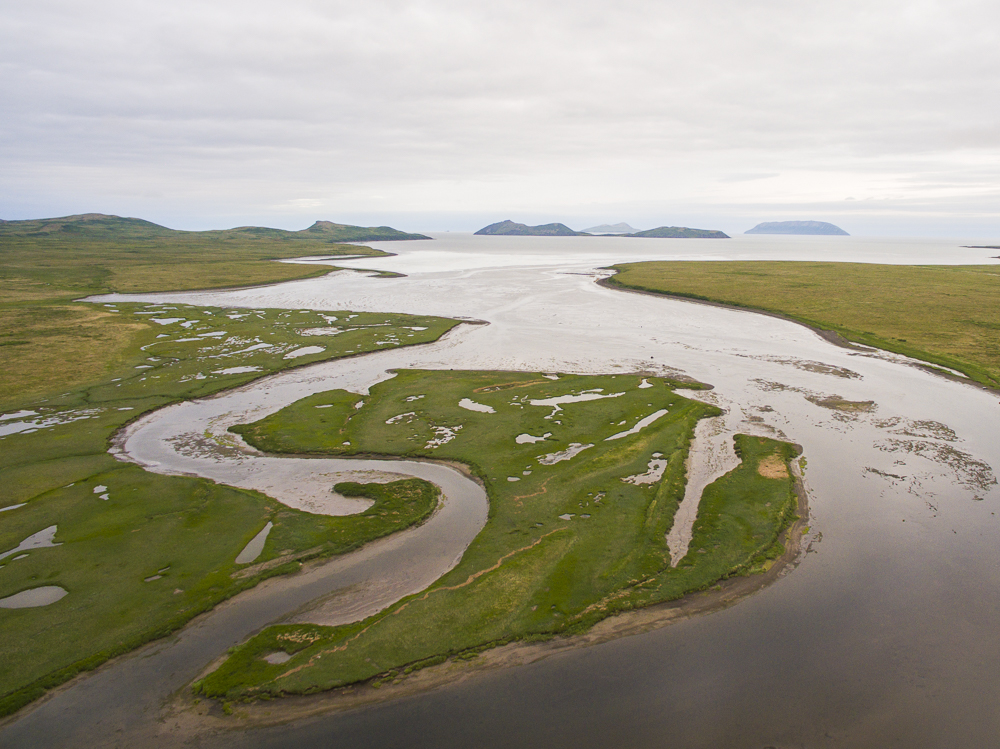
Bristol Bay is in southwest Alaska. Each summer it gets the largest wild sockeye run in the world. The fish come back to the bay. The fish head up rivers to spawn. Boone fishes in Igiak.
Cold water, and a diet of krill
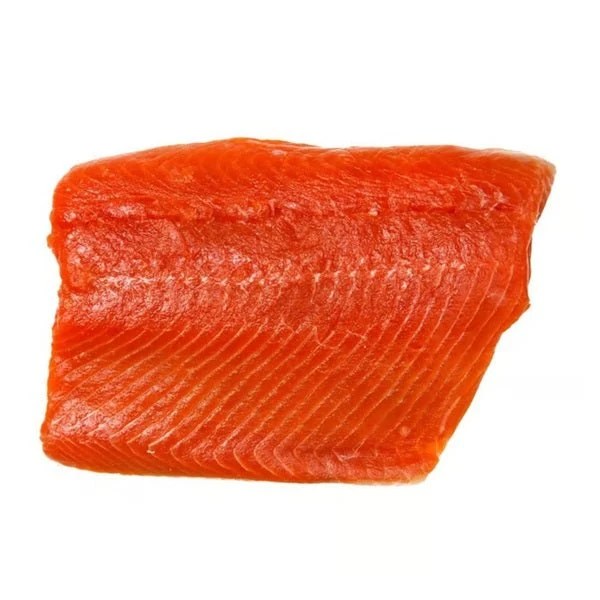
Sockeye live in the cold water of Bristol Bay. Sockeye feed on krill. Sockeye feed on zooplankton. The flesh is deep red. The texture is firm.
Caught in summer, frozen soon after
Sockeye are caught in summer. The catch is flash frozen soon after harvest.
The return to the rivers
Sockeye are born in the rivers and lakes behind Bristol Bay. Young fish leave for the ocean. Adult fish come back to the bay in summer. Each fish heads for the water it came from.
The return is the run. The run fills the bay for a short part of the summer. Most fish move through in a matter of weeks. Fishing in Igiak follows those weeks.
Fish that pass the fishing grounds reach the rivers. Those fish spawn. Their young start the cycle again. The run comes back because the spawning fish get through.
What the diet does to the fish
Sockeye feed on krill. Sockeye feed on zooplankton. Krill carry the pigment that colors the flesh. The pigment builds in the meat over the life of the fish.
The result shows on the cutting board. Bristol Bay sockeye flesh is deep red. The color runs through the whole fillet. It stays red after cooking.
Cold water shapes the texture. Sockeye from Bristol Bay cut firm. A raw fillet holds its shape on a knife. A cooked portion flakes in large pieces.
Managed for escapement
Alaska manages Bristol Bay by escapement. Escapement counts fish that pass the fishing grounds. Those fish reach the rivers. Those fish spawn. Managers check the count in season. Fishing is held until enough fish pass.
The salmon Boone sells
Joseph Montecuco fishes out of Igiak, Alaska, in Bristol Bay. Boone sells this sockeye in every box on the shop page. Orders through June 2027 ship in August 2027.
The summer season
The Bristol Bay season runs in summer. The whole harvest lands in that window. There is no fall catch and no winter catch for Boone.
Orders taken through June 2027 fill from the summer 2027 season. Joseph Montecuco fishes that season out of Igiak. His catch becomes the boxes on the shop page.
Escapement sets the start. Managers count fish moving past the fishing grounds. The count must reach its goal. Fishing is held until the goal is met.
That order matters. Spawning fish go first. The harvest takes fish after the rivers have theirs. The system keeps the run coming back each summer.
From the bay to your freezer
Sockeye are caught in summer. The catch is flash frozen soon after harvest. Flash freezing brings the fish to frozen fast, close to the water.
Fast freezing protects the fish. The deep red color holds. The firm texture holds. The fish that thaws in your kitchen starts from the state it was caught in.
Boxes are vacuum sealed after freezing. The seal keeps air off the fish. Air dries frozen fish and dulls the surface over time.
Boone stores the sealed catch frozen. Boxes ship in August 2027, after the season ends. Door delivery costs $29 per order. Spokane pickup is free.
What to do with Bristol Bay sockeye at home
Keep the box frozen until you cook. Thaw one pack at a time in the fridge. Move the pack down the night before. Cook the fish the next day.
Fillets cook skin down in a hot pan. Portions roast in about ten minutes. Smoked sockeye needs no cooking at all. Serve smoked sockeye cold, straight from the fridge.
The fish asks for little seasoning. Salt is enough for a first fillet. The flavor comes from the diet, the cold water, and the run itself.
The rivers behind the bay
Bristol Bay is a system of rivers and lakes, with the bay at the end of it. Sockeye spawn in those rivers and lakes. Young fish grow in fresh water first. The young then move out to the ocean.
Ocean years come next. The fish feed and grow in cold water. Krill and zooplankton fill that diet. The flesh builds its deep red color during those years.
Adults return to the bay in summer. Each fish aims for the water it started in. The fishing grounds sit in the bay, before the river mouths. Escapement counts the fish that clear those grounds.
That geography is why the bay can hold the largest wild sockeye run in the world. Many rivers feed it. Each river holds its own returning fish. The runs stack into one bay in one season.
Reading a Bristol Bay fillet
Color is the first check. The flesh should read deep red across the whole piece. Pale streaks point to a different fish or a different diet.
Firmness is the second check. A raw fillet holds its shape when you lift one end. The flesh springs back when a finger presses it. Soft flesh gives under the finger and stays dented.
The skin tells the cut. Boone fillets carry the skin. Skin-on fillets cook skin down in a pan. The skin crisps and shields the flesh from direct heat.
Portions read the same way at a smaller size. The color should match the fillet color. The flesh should feel firm. One portion is one serving, so the check takes a second per pack.
Smoked sockeye from this bay
Smoked sockeye starts as the same wild fish. The smoking happens after the catch. The slices come ready to eat. No cooking stands between the pack and the plate.
The color holds through smoking. A slice reads deep red at the center. The texture stays firm enough to lay in folds on a board. Serve it cold. Keep the opened pack in the fridge and eat it within the time on the package.